 24 Oct, 2026
Carotid Artery Disease: Causes, Warning Signs and Stroke Prevention
The brain depends on a continuous supply of oxygen-rich blood to function properly. The carotid arteries, located on either side of the neck, carry blood from the heart toward the brain. When these arteries become narrowed or blocked, blood flow may be affected and the risk of an ischemic stroke can increase.
Carotid artery disease often develops gradually and may not cause noticeable symptoms until a serious event occurs. Identifying risk factors, evaluating the degree of narrowing, and selecting appropriate treatment can help reduce stroke risk in suitable patients.
What Is Carotid Artery Disease?
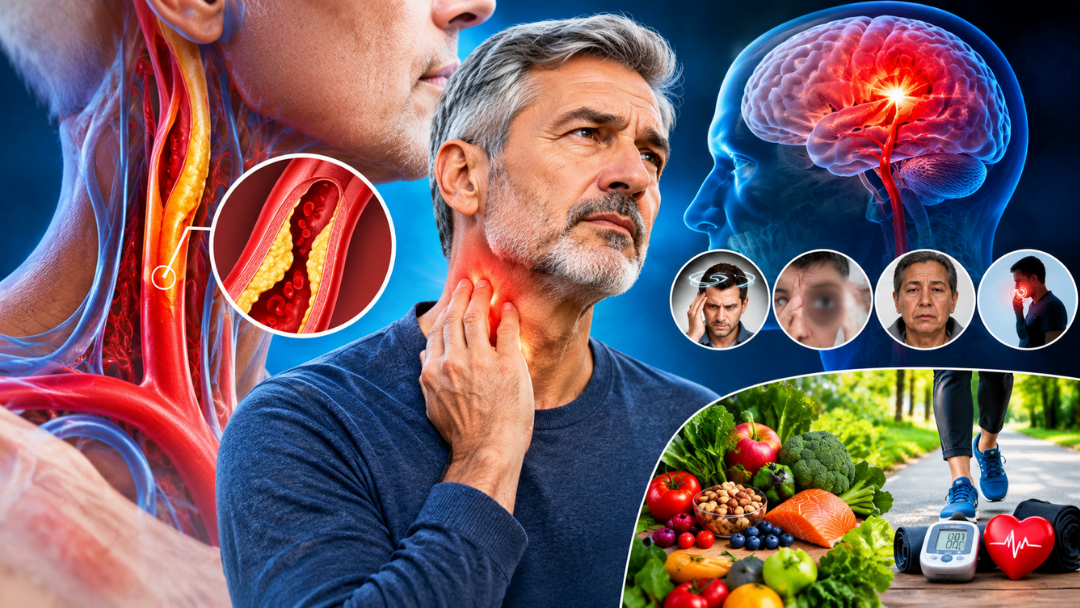
Carotid artery disease commonly develops when fatty deposits, cholesterol, and other substances accumulate in the artery walls. This process is called atherosclerosis.
The resulting plaque can narrow the artery and, in some cases, become unstable. A blood clot or small pieces of plaque may travel toward the brain and obstruct blood flow, potentially causing a stroke or transient ischemic attack (TIA).
The degree of narrowing is important, but treatment decisions also depend on whether the patient has experienced neurological symptoms, the characteristics of the plaque, and the person's overall health.
What Are the Risk Factors for Carotid Artery Disease?
Several factors may increase the risk of developing carotid artery disease, including:
-
High blood pressure
-
High LDL cholesterol
-
Diabetes
-
Smoking or tobacco use
-
Increasing age
-
Physical inactivity
-
Certain cardiovascular conditions
-
A history of stroke or transient ischemic attack
Having one or more risk factors does not necessarily mean that a person has carotid artery disease. Medical assessment helps determine whether screening or further investigation is appropriate.
Warning Signs You Should Never Ignore
Carotid artery disease may remain silent for years. However, reduced blood flow or a clot affecting the brain can cause sudden neurological symptoms.
Important warning signs include:
-
Sudden weakness or numbness on one side of the body
-
Sudden difficulty speaking or understanding speech
-
Sudden loss of vision in one eye
-
Sudden loss of balance or coordination
-
Sudden facial drooping
These symptoms may indicate a stroke or transient ischemic attack.
Seek emergency medical assistance immediately if any of these symptoms occur, even if they disappear after a few minutes. A temporary improvement does not mean the risk has passed.
How Is Carotid Artery Disease Diagnosed?
The choice of investigations depends on the patient's symptoms, medical history, and examination.
1. Carotid Doppler Ultrasound
This non-invasive test uses sound waves to assess blood flow and estimate the degree of narrowing in the carotid arteries.
2. CT Angiography
CT angiography provides detailed images of the blood vessels and may help define the location and severity of narrowing.
3. MR Angiography
MR angiography can provide additional information about the carotid arteries and other blood vessels supplying the brain.
4. Clinical and Cardiovascular Assessment
Doctors may also assess blood pressure, cholesterol, diabetes, smoking history, and other factors that influence stroke risk.
Not every patient needs every test. The investigation plan is selected according to individual clinical circumstances.
Treatment Options for Carotid Artery Disease
Treatment aims to reduce the risk of stroke and manage the underlying vascular disease. The most appropriate approach depends on the degree of narrowing, the presence of symptoms, and the patient's overall risk.
1. Medical Management
A clinician may recommend treatments such as cholesterol-lowering medication, blood pressure management, diabetes control, and antiplatelet medication when appropriate.
These treatments help address vascular risk factors and reduce the likelihood of future cardiovascular events. Medicines should be taken only as prescribed.
2. Lifestyle Changes
Lifestyle measures can support vascular health and complement medical treatment. These may include stopping tobacco use, following a heart-healthy eating pattern, maintaining appropriate physical activity, and managing weight.
3. Carotid Endarterectomy
Carotid endarterectomy is a surgical procedure in which plaque is removed from the affected carotid artery. It may be recommended for selected patients, particularly when significant narrowing is associated with neurological symptoms.
The expected benefit depends on the severity of narrowing, the patient's condition, and the risks of the procedure.
4. Carotid Artery Stenting
Carotid stenting is an endovascular procedure in which a catheter is used to place a stent inside the narrowed artery to help maintain blood flow.
It may be suitable for selected patients depending on their vascular anatomy, medical history, and procedural risks. Stenting is not the preferred option for every patient.
5. Individualized Stroke Prevention
The decision between medical management, surgery, and stenting requires a careful comparison of benefits and risks. Patients with no symptoms may be managed differently from those who have experienced a TIA or stroke.
Can Carotid Artery Disease Be Prevented?
Although age and some inherited factors cannot be changed, several measures may reduce vascular risk:
-
Monitor and manage blood pressure.
-
Maintain healthy cholesterol levels.
-
Control diabetes with professional guidance.
-
Avoid smoking and tobacco products.
-
Follow a balanced diet.
-
Participate in appropriate regular physical activity.
-
Take prescribed medicines consistently.
-
Attend follow-up appointments when recommended.
Routine carotid screening is not necessary for everyone. A healthcare professional can determine whether testing is appropriate based on symptoms and individual risk factors.
Why Is Specialist Evaluation Important?
Carotid artery disease involves the blood vessels supplying the brain, so treatment decisions should consider both vascular anatomy and stroke risk.
A cerebrovascular specialist can review diagnostic imaging, assess relevant symptoms, and discuss whether medical treatment, carotid endarterectomy, or endovascular stenting may be appropriate.
Conclusion
Carotid artery disease is an important but often silent risk factor for ischemic stroke. Recognizing warning signs, managing cardiovascular risk factors, and receiving appropriate specialist assessment can help guide stroke prevention.
Dr. Vivek Vaid, Brain & Spine Neurosurgeon and Endovascular Neurosurgeon, provides specialist evaluation for neurological and cerebrovascular conditions. Patients with suspected carotid artery disease should seek an individualized assessment to understand their diagnosis and available management options.
Medical disclaimer: This article is for educational purposes only and does not replace professional medical advice. Sudden facial weakness, speech difficulty, or loss of vision requires immediate emergency medical attention.
Frequently Asked Questions
1. Can carotid artery disease occur without symptoms?
Yes. Carotid artery narrowing may develop without noticeable symptoms and may be identified during investigations for appropriate clinical reasons.
2. What is a transient ischemic attack?
A transient ischemic attack, or TIA, is a temporary episode of neurological dysfunction caused by reduced blood flow. It is an important warning sign and requires urgent medical evaluation.
3. Is carotid artery stenting a type of brain surgery?
No. Carotid stenting is an endovascular procedure performed through a blood vessel, generally using a catheter, rather than an operation that opens the skull.
4. Does every patient with carotid narrowing need surgery?
No. Treatment depends on the severity of narrowing, symptoms, medical history, and the balance of expected benefits and risks.
5. How can I reduce my risk of stroke?